
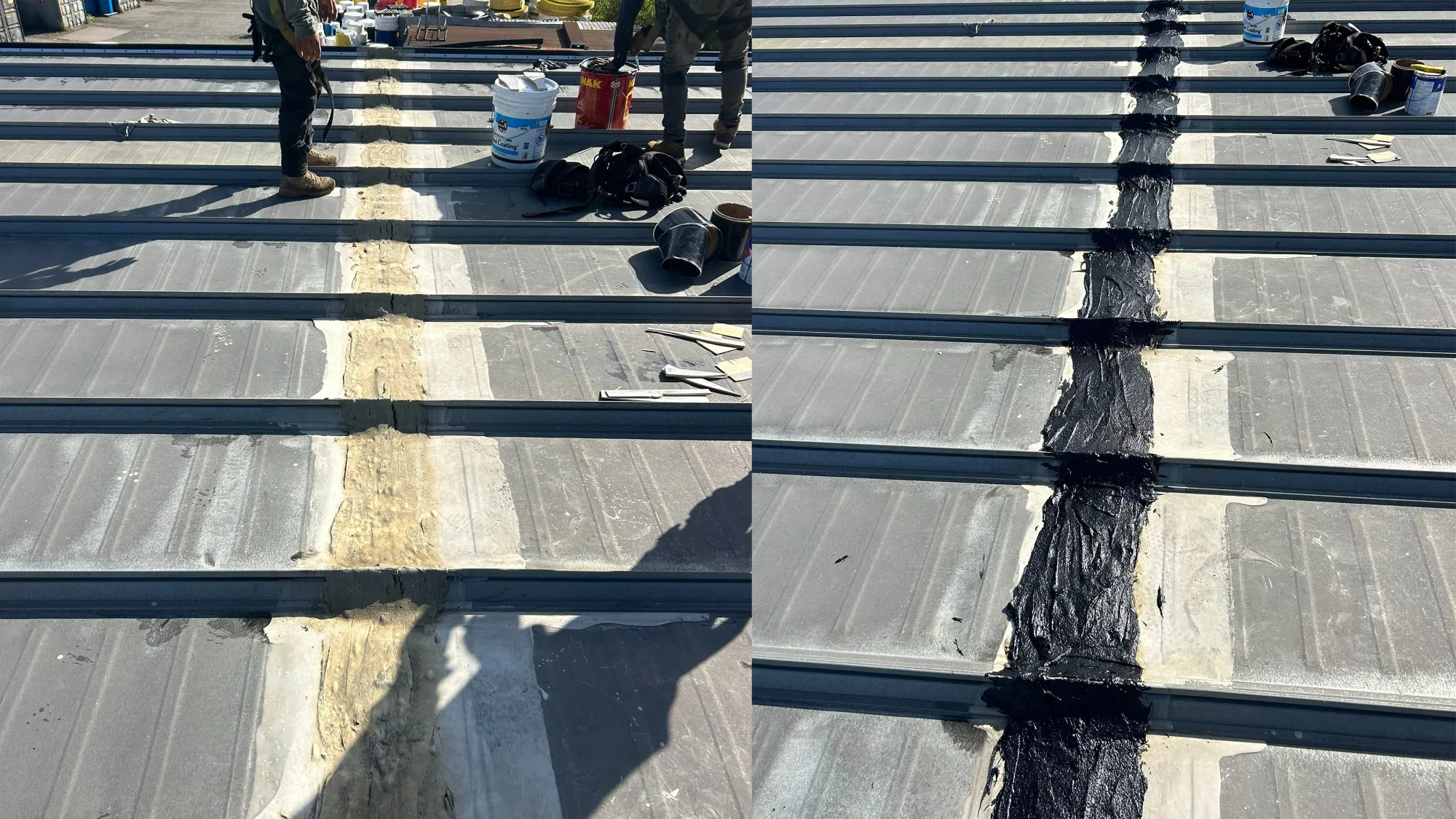
As winter approaches, industrial property owners in Pawcatuck, CT, should evaluate their roofing systems before freezing temperatures and snow create additional challenges. Scheduling an “industrial roof inspection near me” can help identify potential problems before they require extensive repairs. Pawcatuck Commercial Roofing provides commercial and industrial roofing services, including inspections, repairs, and preventive maintenance, to help businesses prepare for seasonal weather conditions.
Why Schedule an Industrial Roof Inspection?
Industrial roofs face changing temperatures, moisture exposure, and seasonal weather throughout the year. Existing damage can worsen when snow, ice, and freezing conditions affect roofing materials.
Scheduling an inspection during October allows property owners to identify concerns before winter arrives.
Potential benefits include:
- Early Problem Detection: Identify damaged membranes, flashing, and drainage components before leaks develop.
- Reduced Repair Costs: Address minor problems before they become more extensive.
- Building Protection: Help protect equipment, inventory, and interior spaces from moisture intrusion.
- Long-Term Maintenance: Support roofing performance through regular assessments and timely repairs.
Pawcatuck Commercial Roofing offers inspection and maintenance services designed around commercial and industrial building requirements.
Key Areas to Inspect
A professional “industrial roof inspection near me” should evaluate important components of the roofing system.
Common inspection priorities include:
- Membrane Integrity: Examine EPDM, TPO, PVC, or other roofing materials for punctures, open seams, and deterioration.
- Flashing and Seals: Check roof penetrations, edges, and equipment connections for potential water entry points.
- Drainage Systems: Inspect drains, gutters, and downspouts for blockages or standing water.
- Structural Elements: Look for visible sagging, unusual deflection, or other conditions requiring further evaluation.
Industrial roofs often support HVAC equipment and additional building systems. Inspectors should consider how these installations affect roofing materials and drainage.
Signs Your Roof Needs Inspection
Certain warning signs suggest that an industrial roofing system may require professional attention.
Watch for:
- Interior Water Stains: Discoloration on ceilings or walls may indicate moisture intrusion.
- Visible Membrane Damage: Tears, punctures, or deteriorated seams can compromise roof protection.
- Standing Water: Persistent pooling may suggest drainage problems.
- Roofline Changes: Sagging or unusual movement requires prompt evaluation.
- Recurring Leaks: Repeated water intrusion may indicate unresolved roofing concerns.
Even without visible damage, routine inspections can identify conditions that are difficult to recognize from inside the building.
Steps in Conducting an Industrial Roof Inspection
Professional inspections generally follow an organized process to evaluate roofing conditions and recommend appropriate next steps.
- Visual Assessment: Examine accessible roof surfaces, flashing, drainage areas, and visible interior concerns.
- Detailed Examination: Evaluate membrane seams, penetrations, and areas showing deterioration or moisture-related problems.
- Document Findings: Record observed conditions and identify areas requiring maintenance or additional investigation.
- Recommend Solutions: Discuss repairs, preventive maintenance, or further assessment when necessary.
Pawcatuck Commercial Roofing works with commercial and industrial roofing systems, including EPDM, TPO, and PVC membranes.
An inspection can help determine whether localized repairs are sufficient or more extensive work should be considered.
Frequently Asked Questions
Why do I need an industrial roof inspection?
Inspections help identify damage, drainage concerns, and potential leak sources before seasonal weather worsens existing conditions. They also support informed maintenance planning.
How often should I schedule a roof inspection?
Many industrial roofing systems benefit from inspections at least twice annually, typically during spring and fall. Additional assessments may be appropriate following severe storms.
What if my roof has no visible damage?
Some roofing problems develop around seams, flashing, and drainage components without obvious interior symptoms. Preventive inspections can help identify these concerns earlier.
Can regular inspections extend my roof’s lifespan?
Regular inspections and timely maintenance may help reduce deterioration and support the roofing system’s expected service life. Actual longevity depends on materials, installation, weather exposure, and maintenance.
Take Action Before the Cold Sets In
Preparing an industrial roof before winter begins with understanding its current condition. October inspections provide an opportunity to address damage, evaluate drainage, and plan necessary maintenance.
For businesses searching for an “industrial roof inspection near me” in Pawcatuck, CT, Pawcatuck Commercial Roofing provides professional inspection, repair, and maintenance services.
Contact Pawcatuck Commercial Roofing today to schedule an industrial roof inspection, discuss maintenance concerns, or request an estimate before winter weather arrives.